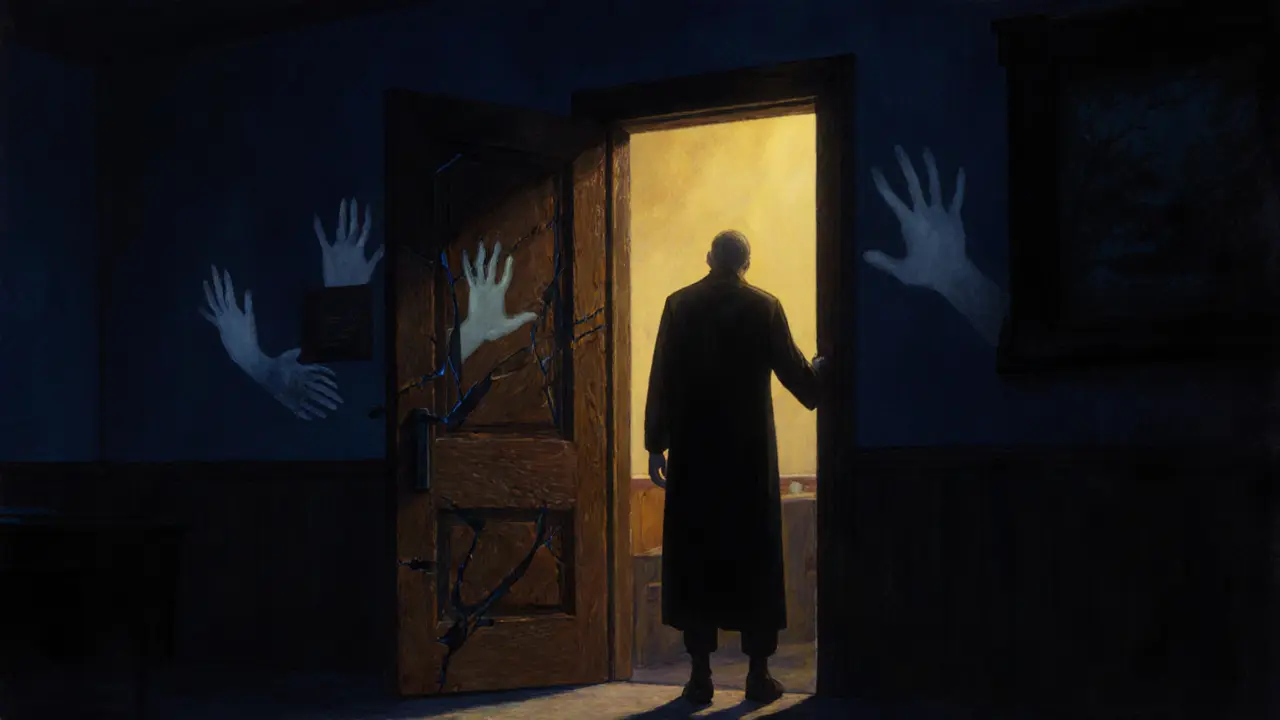
Traumaterapie: Jak léčit následky traumatu a obnovit pocit bezpečí
When you’ve been through something that shattered your sense of safety, words often aren’t enough. traumaterapie, specifický přístup k léčbě následků zážitků, které překročily vaši schopnost zpracovat je. Also known as léčba psychotraumat, it isn’t about forgetting what happened—it’s about reclaiming your life from its shadow. This isn’t just talk therapy. It’s a structured, body-aware process that helps your nervous system stop reacting as if danger is still here.
Most people don’t realize that trauma doesn’t just live in your memories—it lives in your body, your sleep, your relationships. That’s why trauma-informovaný přístup, metoda, která rozumí, jak trauma ovlivňuje chování, emoce a vztahy is so crucial. It doesn’t push you to relive the past. Instead, it creates a safe space where you can slowly reconnect with yourself. This approach is used in treating PTSD, porucha, která vzniká po zážitku životně ohrožující události, but also for quieter, long-term wounds: childhood neglect, emotional abuse, or the kind of loss that never gets named.
What you’ll find in these articles isn’t theory. It’s real, practical guidance from therapists who work with trauma every day. You’ll learn how to recognize when your body is stuck in survival mode, why traditional talk therapy can sometimes backfire, and what actually helps people rebuild trust—both in others and in themselves. There are no quick fixes, but there are proven steps: grounding techniques, regulated breathing, somatic exercises, and the quiet power of being heard without judgment.
Many think trauma means war, accidents, or violence. But trauma is also the silent kind—the constant criticism, the emotional abandonment, the feeling that you were never enough. If you’ve ever felt like something inside you is broken, or like you’re always waiting for the other shoe to drop, this collection is for you. The posts here don’t promise healing overnight. They offer clarity, tools, and the quiet reassurance that you’re not alone—and that recovery isn’t about erasing the past, but finally learning to live with it without being controlled by it.